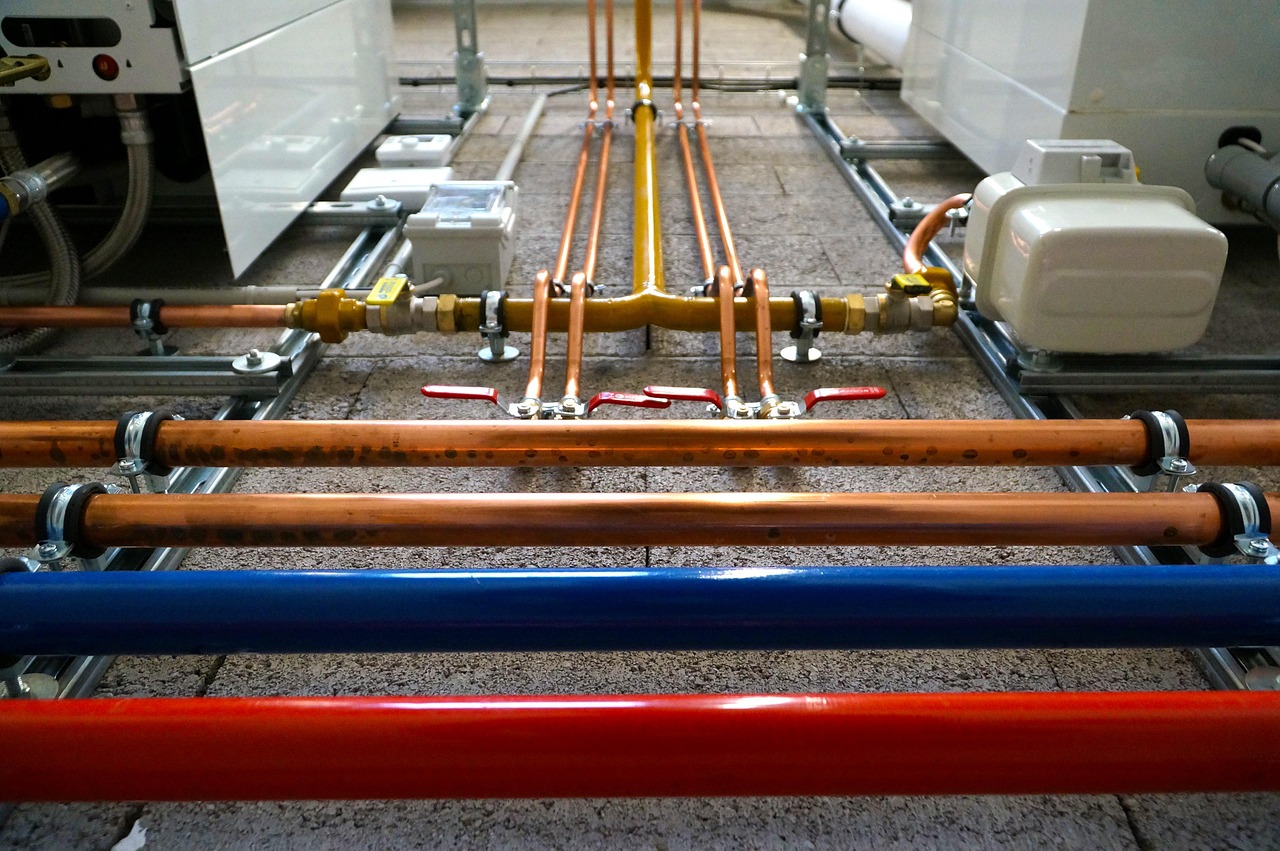
Ensure your new construction project in Denver meets plumbing code with our comprehensive final inspection checklist. From identifying potential issues to selecting reputable local licensed plumbers, this guide covers everything essential for a smooth and compliant plumbing installation.
Plumbing for New Construction Denver: A Step-by-Step Guide to Final Inspections
Plumbing for new construction in Denver is a crucial process that requires meticulous attention to detail to ensure compliance with building codes and the safe, efficient operation of your future home or commercial space. This ultimate checklist outlines the essential steps and considerations for conducting thorough final plumbing inspections in new construction projects throughout Denver.
1. Understanding Denver’s Plumbing Codes and Regulations
Before diving into the inspection process, it’s crucial to familiarize yourself with Denver’s specific building codes and regulations regarding plumbing. These guidelines ensure the safety and reliability of your plumbing system and can help prevent costly future repairs. Consult the City of Denver’s official website or a local building department representative for detailed information.
2. Creating a Comprehensive Checklist
A well-structured final inspection checklist is your best tool for ensuring nothing is overlooked during the evaluation process. Here’s a breakdown of critical areas to include:
A. Water Supply Lines:
- Check all water supply lines for proper sizing, material, and installation techniques.
- Inspect fittings, valves, and fixtures for leaks, corrosion, or damage.
- Ensure backflow prevention devices are installed and functioning correctly.
B. Drainage and Waste Pipes:
- Verify the proper slop and gradient of drain lines to ensure adequate water flow.
- Examine trap installations, cleanouts, and venting for code compliance.
- Test drainage systems by running water through all fixtures and drains.
C. Gas Lines:
- Inspect gas lines for correct sizing, secure connections, and proper ventilation.
- Ensure all gas appliances are properly installed and functional.
- Check for potential hazards like leaks or damage to gas pipes.
D. Electrical Connections:
- Verify the electrical panel is appropriately sized for the plumbing system’s demands.
- Inspect junction boxes, switches, and outlets near plumbing fixtures.
- Ensure grounding and bonding requirements are met.
3. Engaging a Reputable Local Licensed Plumber
Hiring a qualified, licensed plumber in Denver is paramount to ensure your project meets code and is built to last. Look for plumbers specializing in new construction with proven experience and positive reviews.
Tips for selecting the best plumber:
- Request references and check online reviews.
- Ensure the plumber holds all necessary licenses and permits.
- Ask about their warranty coverage and work guarantees.
- Communicate clearly your project’s specifics, including any unique requirements or challenges.
4. Conducting a Detailed Visual Inspection
A thorough visual inspection should be performed by both the contractor and a third-party inspector to identify potential issues before final approval.
Visual inspection considerations:
- Check for visible signs of damage, leaks, corrosion, or improper installations.
- Examine all fixtures, fittings, and appliances for functionality and proper operation.
- Inspect the overall layout and accessibility of the plumbing system.
5. Testing Water Pressure and Flow
Proper water pressure and flow rates are essential for a functional plumbing system. Conduct tests on both cold and hot water supplies to ensure they meet manufacturer specifications and local building code requirements.
Testing procedures:
- Use a pressure gauge to measure water pressure.
- Time the flow rate of hot and cold water at various fixtures.
- Check for any air in the system, which can affect pressure.
6. Verifying Waste Disposal and Venting
Effective waste disposal and venting are crucial to prevent clogs, backups, and sewer line damage.
Key points to check:
- Inspect all drain traps for water levels and proper sealing.
- Ensure vents are properly installed and extend at least 6 inches above the roofline.
- Test each plumbing fixture’s drainage by pouring water into them one at a time.
7. Documenting Findings and Resolving Issues
During your final inspection, thoroughly document any defects, non-compliance issues, or areas needing improvement. Provide detailed written notes and photographs for record keeping and future reference. Address these issues promptly with the contractor to ensure timely resolution and code compliance.
Frequently Asked Questions (FAQs)
-
Do I need a professional plumber for final inspections?
While some homeowners may choose to conduct basic visual inspections, engaging a licensed plumber ensures expert knowledge, experience, and adherence to local codes. A professional will identify potential issues that might be missed by untrained eyes.
-
What happens if issues are found during the final inspection?
If defects or non-compliance issues are discovered, discuss them with your contractor immediately. They should address these concerns and make any necessary repairs before final approval.
-
How long does a final plumbing inspection take?
The duration depends on the complexity of your project. Simple projects might take an hour, while larger constructions could require several hours for a thorough evaluation.
-
Are there additional fees for final inspections?
Some contractors may charge a nominal fee for final inspections as part of their service package or separately. Discuss these costs upfront to avoid unexpected charges.
Conclusion
Final plumbing inspections in new construction Denver are essential steps toward ensuring a safe, reliable, and code-compliant plumbing system. By following this comprehensive checklist and engaging experienced professionals, you can protect your investment and enjoy peace of mind knowing that your home’s plumbing is in good hands.