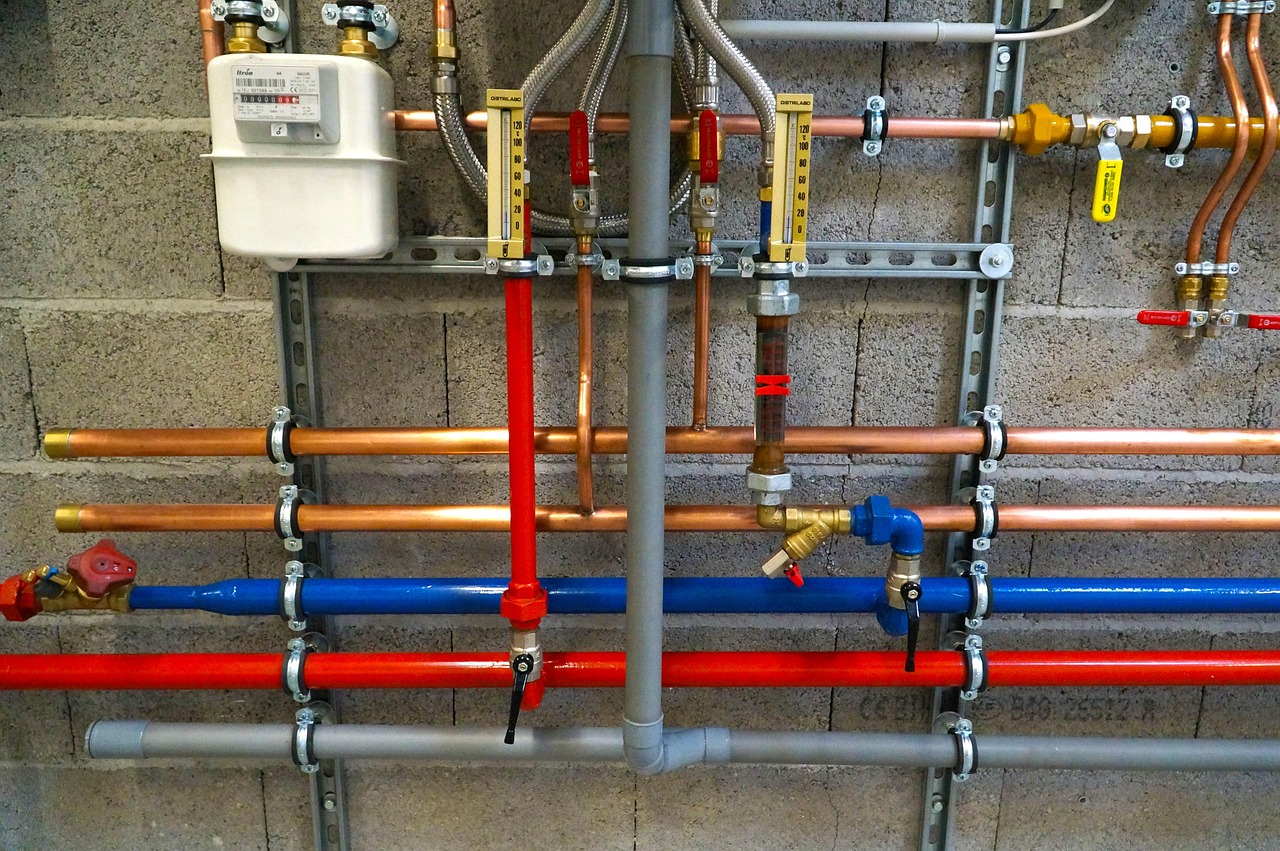
Plumbing is a crucial aspect of any construction project, especially in a vibrant city like Denver, Colorado. When it comes to new construction, ensuring that your plumbing system meets all local regulations and codes is essential for a safe and efficient installation. This comprehensive guide will take you through the process of navigating permits and regulations for plumbing for new construction Denver, offering valuable insights for both homeowners and contractors.
Understanding the Importance of Plumbing Permits in Denver
In Denver, as in many cities, plumbing installations are subject to specific building codes and permits to guarantee safety and quality. Before beginning any new construction project, it’s vital to familiarize yourself with the local regulations to avoid costly delays or legal issues. The Denver Department of Building and Safety (DBS) is responsible for enforcing these rules, ensuring that all plumbing work adheres to health and safety standards.
Permits are required for various plumbing activities, including:
- Installing new pipes and fittings
- Replacing or upgrading water heaters
- Adding or modifying bathroom fixtures
- Any work involving gas lines
Obtaining the necessary permits not only ensures compliance but also provides peace of mind, knowing that your plumbing system meets the high standards set by the city.
Steps to Obtain Plumbing Permits in Denver
Navigating the permit process can seem daunting, but with the right preparation, it becomes a straightforward procedure. Here’s a step-by-step guide to help you through:
1. Research and Planning
Before applying for permits, conduct thorough research on Denver’s building codes and regulations specific to plumbing. The DBS website offers a wealth of information, including guidelines for different types of construction projects. Understand the requirements for your particular project, such as material specifications, pipe sizes, and drainage systems. This initial step will help you prepare the necessary documents and ensure a smoother application process.
2. Gather Required Documentation
Collect all essential documentation to support your permit application. This typically includes:
- Building plans or blueprints detailing the plumbing layout
- A list of materials with manufacturer certifications (for specific pipe brands, fittings, etc.)
- Permits from other relevant departments, such as electrical or structural engineering
- For gas line work, a detailed plan and certification from a licensed gas fitter
3. Submit Your Application
Visit the Denver DBS website to access the online permit application form. Fill it out accurately, providing all the required information and documents. You can also submit applications via mail or in person at the DBS office. Be sure to include any additional fees associated with your plumbing project.
4. Inspection and Approval
After submitting your application, a Denver Building Inspector will review your plans and documentation. They may schedule an on-site inspection to verify that your plumbing work complies with codes and regulations. Once the inspector approves your project, they will issue the necessary permits, allowing you to proceed with the plumbing installation.
5. Begin Construction
With your permits in hand, you can now start your new construction project in Denver. Ensure that your chosen plumber or contractor is licensed and insured, meeting all local requirements for plumbing work.
Choosing the Best Plumbing Services for New Build Denver
Selecting a reliable plumbing service for your new construction project is vital to ensure top-quality workmanship and compliance with regulations. Here’s what to consider when choosing affordable plumbing new construction Denver experts:
Licensed and Insured Contractors
Always opt for licensed plumbers who carry appropriate insurance coverage, including general liability and worker’s compensation. This protects you from financial risks in case of accidents or damage during the installation process.
Experience and Expertise
Experience matters when it comes to plumbing installations. Look for contractors specializing in new construction projects, as they will have a deep understanding of the latest codes and requirements. Ask about their experience with similar projects in Denver to gauge their expertise.
Transparent Pricing
Reputable plumbing services provide transparent pricing estimates without hidden fees. Request detailed quotes outlining labor costs, material expenses, and any applicable permits or surcharges. Be wary of companies offering extremely low prices; they might cut corners, leading to long-term issues.
Customer Reviews and Testimonials
Read reviews from previous clients to gauge the quality of service and customer satisfaction. Online platforms like Google My Business, Yelp, or Angie’s List are excellent resources for finding honest feedback. Positive testimonials from satisfied customers can indicate a reliable and trustworthy plumbing contractor.
Emergency Plumber for New Homes Denver: Handling Unexpected Issues
Even with careful planning and professional installation, plumbing issues can arise during or after your new construction project in Denver. It’s essential to have an emergency plumber for new homes Denver on speed dial to address these unforeseen challenges promptly. Here’s how to handle such situations effectively:
Recognize Common Plumbing Emergencies
Some common plumbing emergencies include burst pipes, clogged drains, water leaks, or faulty water heaters. Knowing the signs of these issues allows you to act quickly. For instance, a sudden dip in water pressure or unexplained water damage on ceilings can indicate a burst pipe.
Establish a Network of Reliable Plumbers
Build relationships with several reputable plumbing companies in Denver, each offering 24/7 emergency services. That way, you have options when an emergency arises. Consider keeping their contact details in a readily accessible location for quick access during crises.
Prepare Your Home for Emergencies
Take preventive measures to minimize the impact of potential plumbing emergencies:
- Insulate pipes to protect them from extreme temperatures
- Install water shut-off valves for individual fixtures or areas
- Regularly inspect and maintain your plumbing system
- Teach household members to identify and report potential issues promptly
Same-Day Plumbing Installation: Meeting Time-Sensitive Needs
In some cases, you might require same-day plumbing installation Denver services to address urgent needs without delaying your new construction project. Here’s how to make this happen while ensuring quality workmanship:
Contact Local Plumbers Specializing in Rapid Response
Some Denver-based plumbing companies offer same-day service as a specialty. They have the resources and skilled technicians available to respond quickly to emergency calls or time-sensitive projects. Be sure to communicate your need for a rapid response when contacting these providers.
Provide Accurate Details and Documentation
When requesting same-day service, provide plumbers with detailed information about the issue, including any relevant symptoms or past repairs. Have building plans or previous inspection reports ready if they are pertinent to the problem. This ensures that technicians arrive prepared to diagnose and fix the issue efficiently.
Be Prepared for Schedule Adjustments
While same-day service is a priority, unexpected delays can occur due to traffic or other unforeseen circumstances. Remain flexible and understand that your plumber may need to adjust their schedule while still striving to meet your time frame.
Frequently Asked Questions (FAQs)
Q: What happens if I install plumbing without the necessary permits?
A: Installing plumbing without the required permits is illegal and can result in penalties, fines, or even the halting of your construction project. It also may void any warranty or insurance claims you have for plumbing-related issues that arise after installation. Always obtain the necessary permits to avoid these problems.
Q: How do I know if my plumbing project requires an inspection?
A: In Denver, certain types of plumbing work, such as gas line installations, major renovations, or additions involving plumbing alterations, typically require inspections. The DBS website provides detailed guidelines on which projects need to be inspected. If your plans fall into these categories, you will need to schedule and pass inspections before receiving final approval for your project.
Q: Can I perform minor plumbing repairs myself?
A: For simple, minor repairs like fixing a leaky faucet or unclogging a drain, DIY methods may be suitable. However, for complex tasks, such as re-piping, water heater installations, or gas line work, it’s best to hire licensed professionals. These specialized jobs require expertise and adherence to strict safety standards that are best left to trained plumbers.
Q: What if I’m unsure about a plumbing code or permit requirement?
A: If you have any doubts or questions regarding Denver’s plumbing codes or permit processes, consult with the DBS or a local building inspector. They can provide clarification and ensure that your project complies with all regulations. It’s better to seek guidance early than to face issues later during construction.
Conclusion
Navigating plumbing for new construction Denver involves understanding permits, regulations, and the importance of licensed professionals. By following the steps outlined in this guide, from research and planning to choosing the right plumbing services, you can ensure a smooth and compliant installation process. Remember that emergency situations and time-sensitive projects require prompt attention from skilled plumbers who specialize in rapid response. With the right preparation and knowledge, your new construction project in Denver will benefit from efficient plumbing systems that meet all local codes and standards.