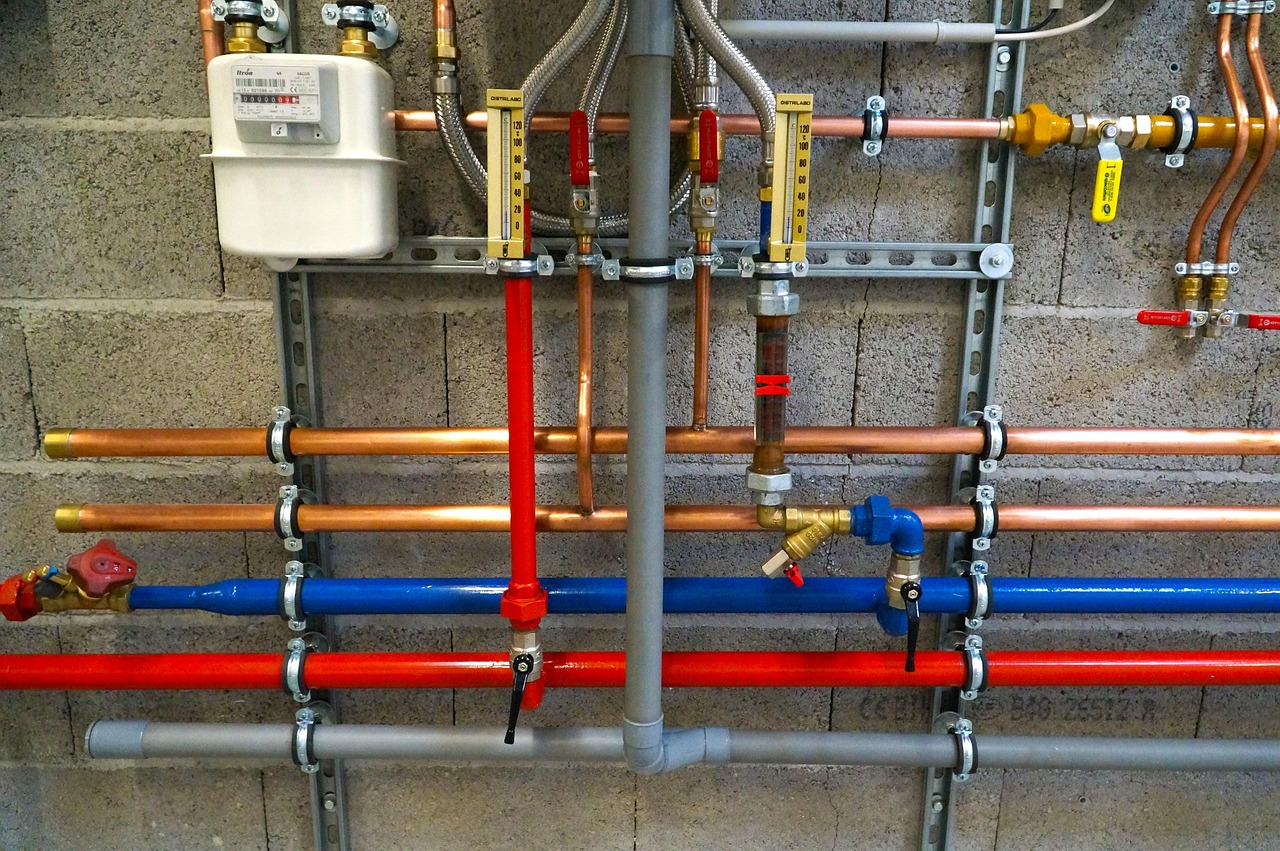
Plumbing for new construction in Denver is more than just installing pipes; it's about setting the foundation for a comfortable, efficient, and future-proof home. As a homeowner or builder in the vibrant Denver metro area, understanding how to navigate plumbing upgrades while staying within budget is crucial. This comprehensive guide will help you make informed decisions, save money, and ensure your new construction project meets all local plumbing codes with top-notch services.
Understanding Plumbing Upgrades in New Construction Homes
Plumbing systems are integral to the overall functionality and comfort of any home. In new construction projects, careful planning and expert installation can significantly impact water efficiency, energy costs, and future maintenance expenses. Here's a breakdown of key considerations for plumbing upgrades in Denver:
1. Water Supply and Distribution:
- Ensure robust water supply lines capable of handling modern appliances and fixtures.
- Implement an efficient distribution system to minimize pressure drops and maximize water reach throughout the home.
- Consider high-efficiency fixtures and appliances to reduce water consumption without compromising performance.
2. Drainage and Wastewater Management:
- Properly sized drainage systems are essential to prevent flooding and sewage backups.
- Install advanced wastewater treatment solutions for eco-friendly disposal and reduced environmental impact.
- Regular maintenance, including clearing obstacles and inspecting pipes, ensures smooth drainage.
3. Heating and Cooling Systems Integration:
- Plumbing systems can be integrated with HVAC units for efficient water heating and cooling.
- Consider tankless water heaters or heat pump water heaters for energy savings and reduced carbon footprint.
- Ensure proper insulation and sealing to minimize heat loss or gain, improving overall system efficiency.
4. Water Heating Solutions:
- Explore hybrid water heating systems combining solar, gas, or electric heat sources for maximum efficiency.
- Install smart thermostats to control water heater temperatures, reducing energy consumption when not needed.
- Regularly flush and maintain water heaters to ensure optimal performance and longevity.
Why Choose Affordable Plumbing for New Construction in Denver?
When it comes to plumbing services for new construction homes in Denver, choosing the right contractor is paramount. Affordable Plumbing stands out as a trusted partner for homeowners and builders due to its:
-
Local Expertise: With deep roots in the Denver community, Affordable Plumbing understands local building codes, permits, and the unique plumbing challenges of this region.
-
Cost-Effective Solutions: The team specializes in affordable plumbing upgrades without compromising quality or efficiency. They offer tailored solutions to fit various budgets.
-
Prompt Response: Their emergency plumber services for new homes in Denver are renowned for same-day response, ensuring any plumbing issues during construction are swiftly addressed.
-
Top-Rated Professionals: All plumbers are licensed, experienced, and committed to delivering exceptional service, making them the best plumbing services for new build projects.
A Step-by-Step Guide to Saving on Plumbing Upgrades
To maximize savings on plumbing for new construction in Denver, follow this strategic approach:
1. Pre-Construction Planning:
-
Consult with a Plumber Early: Engage a local licensed plumber early in the design phase to review building plans and offer expert advice. They can identify potential issues and suggest cost-saving solutions.
-
Research Codes and Regulations: Familiarize yourself with Denver's plumbing codes and permits to ensure compliance from the outset, avoiding future penalties or rework.
2. Design for Efficiency:
-
Maximize Fixtures: Strategically place fixtures to reduce pipe runs and material costs. Grouping fixtures together can simplify installation and optimize water distribution.
-
Consider Water-Efficient Designs: Incorporate low-flow fixtures and appliances, which not only save water but also lower utility bills over time.
3. Select Smart Plumbing Components:
-
Tankless Water Heaters: These heaters provide on-demand hot water, eliminating energy costs associated with maintaining a tank. They are an excellent choice for efficient plumbing systems.
-
Smart Thermostats: Install programmable thermostats to control water heater and HVAC temperatures, ensuring energy savings without compromising comfort.
-
Efficiency-Rated Fixtures: Look for fixtures certified by reputable organizations, ensuring they meet high standards for water efficiency and performance.
4. Negotiate Packages and Discounts:
-
Bundled Services: Many plumbing contractors offer discounted packages that include multiple services, such as installation, maintenance, and repairs, over a set period.
-
Seasonal Promotions: Keep an eye out for special offers during slower seasons, allowing you to save on plumbing upgrades without compromising quality.
5. Maintain Regular Communication:
-
Ask Questions: Don't hesitate to clarify details, costs, and timelines with your chosen plumber. Transparent communication ensures expectations are met.
-
Document Agreements: Keep detailed records of discussions, quotes, and contracts to ensure both parties understand the scope of work and financial arrangements.
Emergency Plumbing for New Homes in Denver: Be Prepared
Despite careful planning, plumbing emergencies can occur during new construction projects. Here's how to handle them effectively:
1. Identify Potential Red Flags:
-
Leaking Pipes: Look for signs of water damage or moisture on walls and ceilings. Address leaks promptly to prevent further issues.
-
Clogged Drains: Regularly inspect drains for obstructions, especially in areas with high traffic or large appliances.
-
Toilet Malfunctions: Ensure all toilet installations are secure and functioning correctly to avoid costly repairs.
2. Have a Backup Plan:
-
Local Plumber's Contact: Keep the details of a reliable emergency plumber in Denver readily available. Immediate response times can save money and minimize damage.
-
Basic Tools: Stock essential plumbing tools, such as wrenches and pliers, to handle minor issues temporarily until a professional arrives.
3. Act Quickly:
-
Contact Your Plumber: Reach out to your chosen plumber immediately if an emergency arises. They can provide guidance over the phone while assessing the situation.
-
Minimize Water Usage: Until the plumber arrives, turn off main water valves and avoid using water to prevent further damage or waste.
Frequently Asked Questions (FAQs)
Q: How do I choose a reputable plumbing contractor for new construction in Denver?
A: Look for licensed and insured contractors with a proven track record in new construction projects. Check online reviews, ask for references, and verify their membership in relevant trade associations. Reputable contractors will provide detailed quotes, maintain open communication, and ensure compliance with local codes.
Q: What are the typical costs associated with plumbing upgrades in Denver?
A: Plumbing upgrade costs in Denver can vary widely based on project scope, complexity, and chosen materials. Simple installations like fixture replacements start at around $200, while comprehensive systems upgrades can range from $5,000 to $15,000 or more. Custom designs and high-end fixtures significantly increase costs. Regular maintenance adds a small annual expense.
Q: Can I save money by doing some plumbing work myself?
A: While some DIY plumbing tasks are manageable for the average homeowner, new construction projects require specialized knowledge and tools. Attempting complex installations without proper training can lead to costly mistakes, water damage, or safety hazards. It's generally advisable to leave these tasks to licensed professionals to ensure quality and avoid long-term issues.
Q: How often should I schedule professional plumbing maintenance for my new home?
A: Regular maintenance is crucial for optimal plumbing system performance and longevity. Schedule annual inspections and maintenance visits with a local plumber. During these visits, they can check for leaks, corrosion, and other potential issues, ensuring your system runs efficiently and reliably.
Q: What happens if I encounter a plumbing issue after the project is complete?
A: For minor issues, consult your warranty or post-construction service agreements. Major problems or those arising from poor workmanship should be addressed by the contractor who performed the initial installation. Keep detailed records of all communications and work performed to facilitate any necessary repairs.
Conclusion: Investing in Quality Plumbing for Denver's New Homes
Plumbing for new construction in Denver is a significant investment, but it need not break the bank. By following expert tips, engaging local licensed plumbers with a proven track record, and prioritizing efficient designs, homeowners can save on upgrades while ensuring their homes are equipped with modern, reliable plumbing systems. Remember, regular maintenance and prompt attention to emergencies further protect your investment and contribute to a comfortable, energy-efficient living space.